
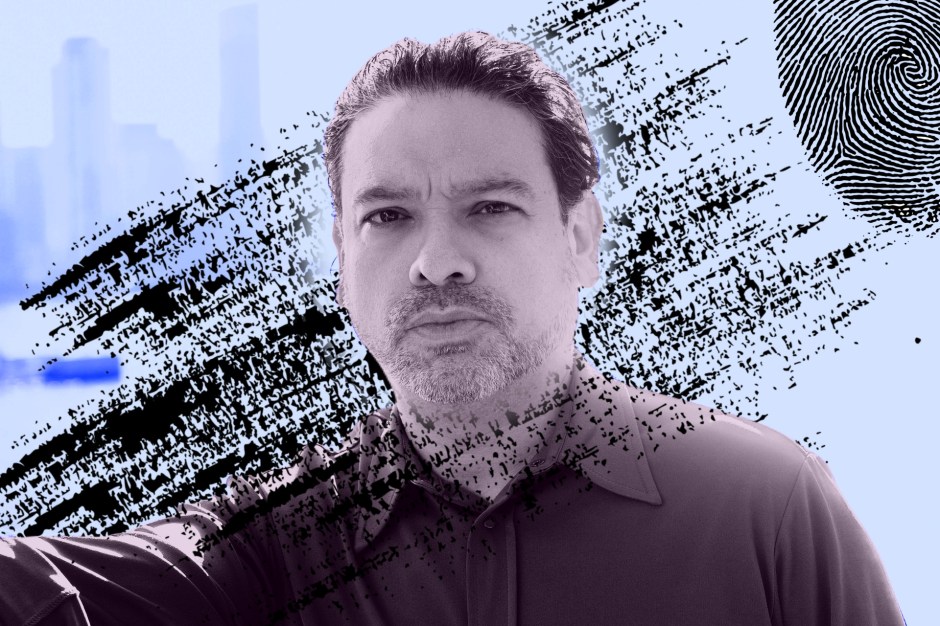
George Salis: Can you describe your awakening as a writer and how your conception of the craft has evolved over time?
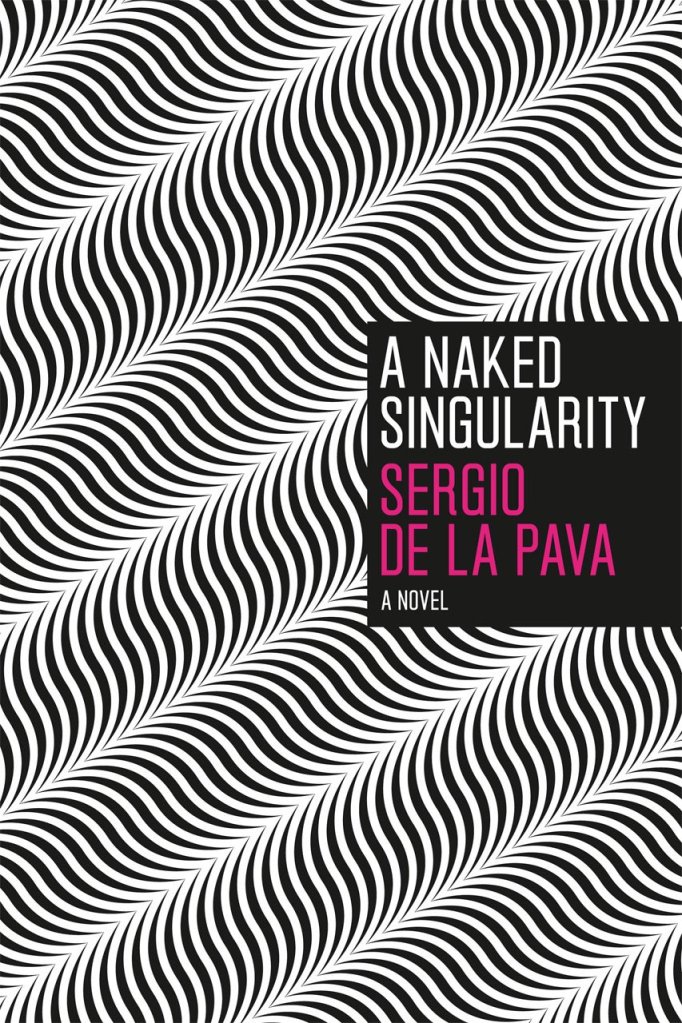
Sergio de la Pava: What awakening? I’m still sleeping deeply, and that’s probably for the best given my conception of the novel and how to best grow them.
GS: Could you explain your conception of the novel and the best method for growing them?
SP: I shouldn’t make too strong a claim here; I still respect the mystery of this thing and don’t claim to have any simple answers. I will assert, however, that when I have this impossible task before me, the creative state that seems most fertile is a kind of irresponsible dreamlike state that mixes hypercritical dissatisfaction with naiveté.
GS: Do you think American culture is mostly antithetical to the arts and the artist’s life? Would you put a stop to your legal practice and dedicate all of your time to writing if that were an option?
To read the full interview, consider supporting the efforts of The Collidescope on Patreon. You’ll get access to other awesome benefits as well.

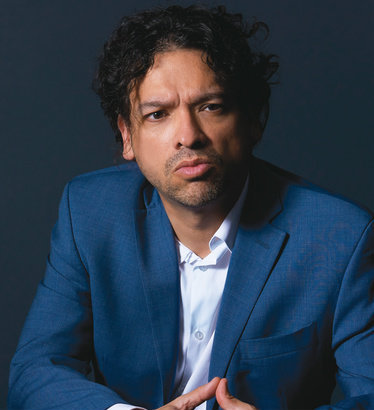
Sergio de la Pava is the author of Lost Empress, Personae, and A Naked Singularity, for which he won the 2013 PEN/Robert W. Bingham Award for debut fiction. He lives in New York City. His latest novel is Every Arc Bends Its Radian.
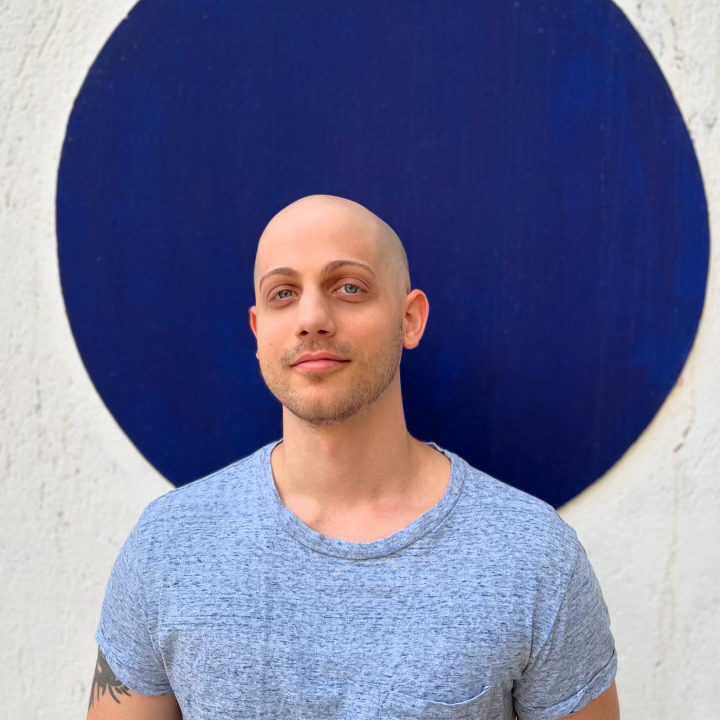
George Salis is the author of Sea Above, Sun Below. His fiction is featured in The Dark, Black Dandy, Zizzle Literary Magazine, House of Zolo, Three Crows Magazine, and elsewhere. His criticism has appeared in Isacoustic, Atticus Review, and The Tishman Review, and his science article on the mechanics of natural evil was featured in Skeptic. After a decade, he has recently finished working on a maximalist novel titled Morphological Echoes. He has taught in Bulgaria, China, and Poland. He’s the winner of the Tom La Farge Award for Innovative Writing. Find him on Facebook, Goodreads, Instagram, Twitter, and at www.GeorgeSalis.com.
 The Collidescope