
The following excerpts are from Leivaditis’ volume of prose-poems, Dark Deed, published in 1974 and reflecting the dark years of military dictatorship in Greece (1967-74).
At times the house overflows with hope and we have nowhere to stand, we then go out into the world like we did the first time, crying, while the horizon in the distance, with utmost abandonment, encloses us in the secret, until at night a harp is heard from a vacant house. It is the hour of the great daydreamer who for centuries, without ever getting lost, has been advancing unceasingly towards annihilation.
Κάποτε το σπίτι ξεχειλίζει απ’ την απαντοχή, και δεν έχουμε που να σταθούμε, βγαίνουμε τότε στον κόσμο, όπως την πρώτη φορά, κλαίγοντας, ενώ ο ορίζοντας πέρα, με την άκρα εγκατάλειψη, μας κλείνει μες στο μυστικό, ώσπου το βράδυ μια άρπα ακούγεται σ’ ένα σπίτι ακατοίκητο. Είναι η ώρα του μεγάλου ονειροπόλου, που εδώ και αιώνες, χωρίς ποτέ να χάνεται, πηγαίνει πάντα προς το χαμό.
What else, then, is the future but our true homeland, since the dream is headed there, and when we die we are further ahead than yesterday, dead in the great tomorrow, and so when mothers, recently betrothed, beheld their engagement finger in amazement, we were already tearfully arriving towards time.
Τι άλλο είναι, λοιπόν, το μέλλον απ’ την αληθινή πατρίδα μας, αφού το όνειρο εκεί πηγαίνει, κι όταν πεθάνουμε, είμαστε πιο μπροστά από χτες, νεκροί στο μέγα αύριο, έτσι κι όταν οι μητέρες, στη μνηστεία ακόμα, κοίταζαν έκθαμβες στο δάχτυλο τον αρραβώνα, εμείς ερχόμαστε κιόλας δακρυσμένοι προς το χρόνο.
And we always had to hide it, which is another way of naming it,
since everything was put there to mislead,
yourself included — and perhaps it is by means of that which we will never come to know
that we settle
old debts. And in the evening the women would sew,
but life is so short that their needle would gently go into the garment
and out of the world.
Κι έπρεπε πάντα να το κρύβουμε, που είναι μια άλλη ονομασία,
αφού το κάθε τι έχει μπει εκεί για παραπλάνηση,
κι ο ίδιος εσύ — κ’ ίσως μ’ αυτό που δε θα μάθουμε ποτέ, μ’ αυτό ξοφλάμε
παλιά χρέη. Μόνο το βράδυ οι γυναίκες έραβαν,
μα είναι τόσο λίγη η ζωή, που η βελόνα τους περνούσε απαλά το ρούχο
κι έβγαινε έξω απ’ τον κόσμο.

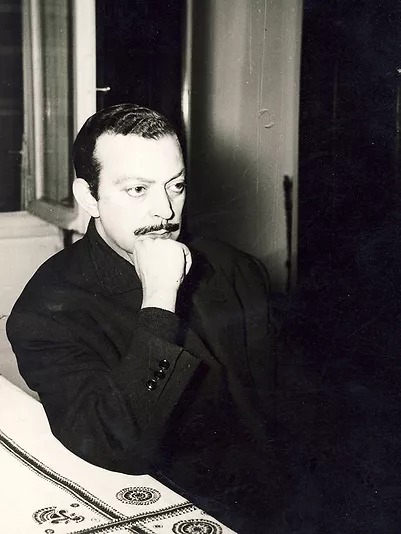
Tasos Leivaditis (1922–88) was born and raised in Athens, where he worked as a literary critic while also producing a rich poetic oeuvre that would win him critical and popular acclaim in Greece. His involvement as a youth in leftist politics led to his internment for more than three years in island prison camps. Soon after his release in 1951, he made his poetic debut, and he went on to publish over twenty volumes of poetry as well as a collection of short stories.
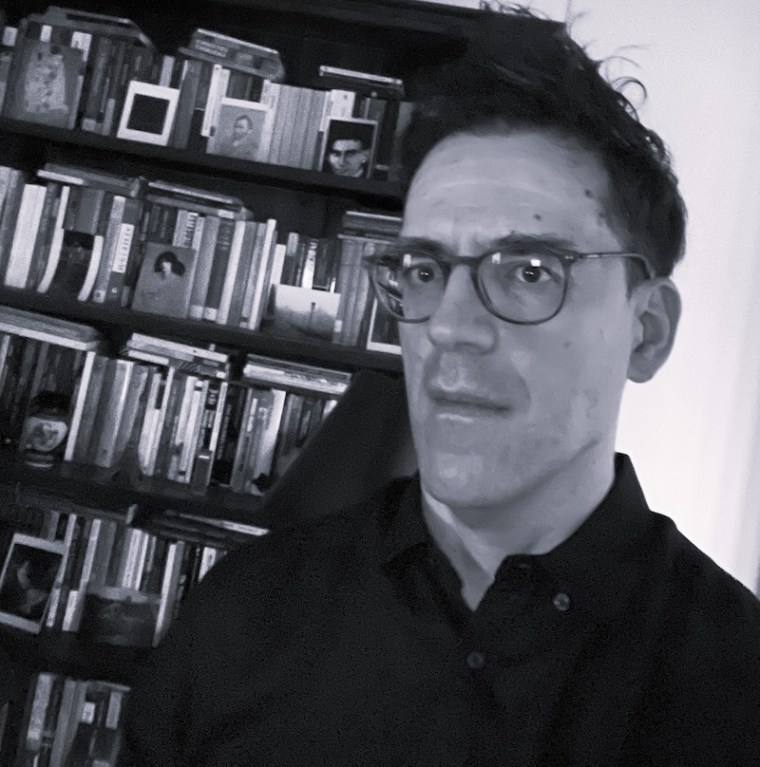
About the translator: N. N. Trakakis teaches philosophy at the Australian Catholic University, and also writes and translates poetry and fiction. His previous translations of Leivaditis’ work include The Blind Man with the Lamp (Denise Harvey Publications, 2014), Violets for a Season (Red Dragonfly Press, 2017), Autumn Manuscripts (Smokestack Books, 2020, joint winner of the New South Wales Premier’s Translation Prize), and Night Visitor (Human Side Press, 2023).
 The Collidescope